
Top 15 Rare Star Notes Collectors Are Paying Premium Prices For (Full 2025 Guide)
Summary (Direct Answer)
The rarest and most valuable U.S. star notes include low-print 1928–1935 silver certificate stars, early Federal Reserve star notes, experimental block stars, and modern low-population stars. Top examples such as the 1928B $1 Silver Certificate Star, 1934 $10 Silver Certificate Star, and 1935A Experimental “X-B” Star often sell for $1,000 to over $20,000 depending on grade and scarcity.
Quick Facts Table (AEO-Structured for Snippets)
| Star Note | Series | Rarity Level | Typical Value Range |
|---|---|---|---|
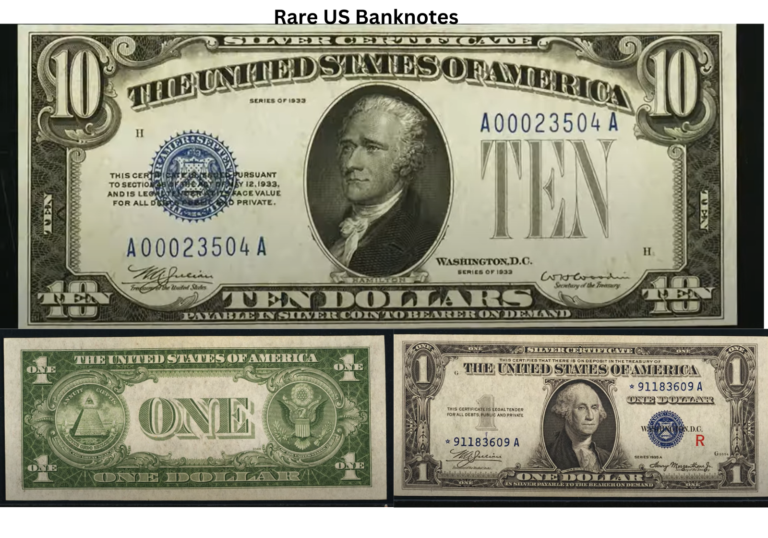
| $1 Silver Certificate Star | 1928B | Ultra-Rare | $3,000–$20,000+ |
| $10 Silver Certificate Star | 1934 | Extremely Rare | $2,000–$15,000+ |
| $5 Silver Certificate Star | 1934C | Rare | $1,200–$7,500+ |
| Experimental “X-B” Star | 1935A | Rare | $1,000–$6,000+ |
| Low Serial Number Star Notes | Various | Rare | $500–$5,000+ |
| Modern Stars (Low Pop) | 1995–2017 | Scarce | $50–$2,000+ |
| High-Denomination Star Notes | $100, $50 | Scarce | $200–$5,000+ |
| Error Star Notes | Any | Rare | $500–$12,000+ |
Introduction to Rare Star Notes Collecting
Star notes — marked with a small ★ replacing a letter in the serial number — were created to replace misprinted sheets. Because they were printed in small batches, many star notes have extremely low populations and huge collector demand.
This guide highlights the top 15 rare star notes, their values, what makes them valuable, and how collectors can identify investment-grade examples.
1. Why Star Notes Are Valuable
Star notes become valuable for several reasons:
1. Low Print Runs
Most star batches range from 20,000 to 320,000, compared to millions of regular notes.
2. High Collector Demand
Star notes are essential for completing currency sets.
3. Survival Rarity in High Grade
Finding crisp, uncirculated examples from early series is extremely hard.
4. Serial Number Desirability
Star notes with fancy serial numbers multiply in value.
2. Top 15 Rare Star Notes (Full Breakdown)
#1 — 1928B $1 Silver Certificate Star
One of the rarest small-size star notes ever printed.
-
Print run: Extremely limited
-
Demand: Very high among silver certificate specialists
Value Range:
$3,000 – $20,000+
#2 — 1934 $10 Silver Certificate Star
Another major rarity with huge auction results.
-
Low print batch
-
Highly desirable denomination
Value Range:
$2,000 – $15,000+
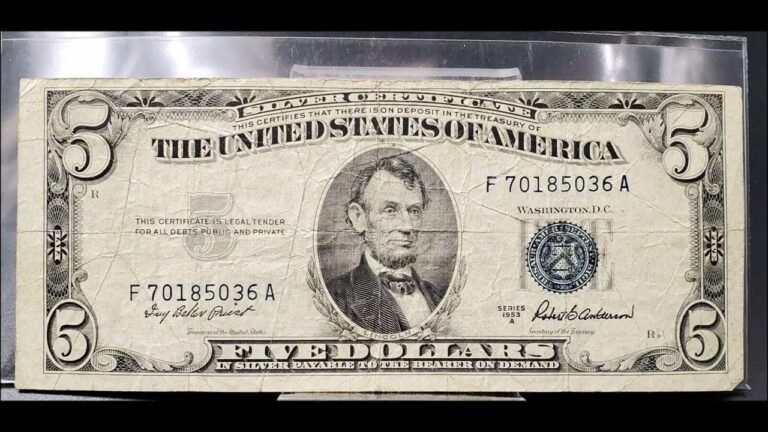
#3 — 1934C $5 Silver Certificate Star
A tough note in any grade.
Value Range:
$1,200 – $7,500+
#4 — 1935A Experimental “X-B Block” Star
Issued during WWII as part of a paper testing program.
-
Popular with U.S. military collectors
-
Low survival rate
Value Range:
$1,000 – $6,000
#5 — 1935E $1 Silver Certificate Star (Narrow Design)
An iconic star note from one of the most popular series.
Value Range:
$600 – $4,000
#6 — 1957B $1 Silver Certificate Star (High Grade)
Most common silver star note — but in Gem 67, it’s a monster.
Value Range:
$250 – $3,500
#7 — 1963 $2 Legal Tender Star
A key star note for $2 collectors.
Value Range:
$400 – $2,500
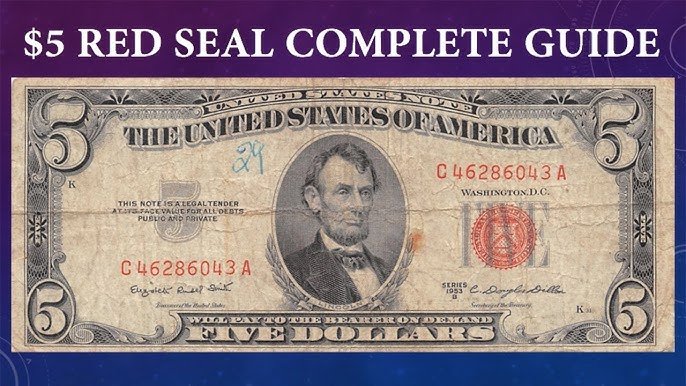
#8 — 1963A $5 Legal Tender Star
Harder to find than the $2.
Value Range:
$300 – $2,200
#9 — 1966 $100 Red Seal Star
Extremely rare in Uncirculated, with major high-end collector demand.
Value Range:
$1,000 – $8,000+
#10 — 1969C $100 Federal Reserve Note Star
This modern-ish $100 star is rare in high grade.
Value Range:
$500 – $2,500
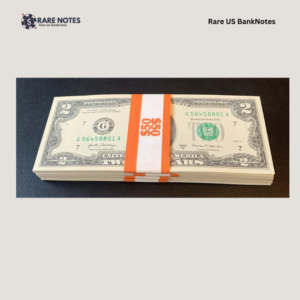
#11 — 1976 $2 Federal Reserve Note Star (Low Pop Blocks)
Some districts printed fewer than 100,000 stars.
Value Range:
$100 – $1,800
#12 — 1995 $10 Federal Reserve Star (Atlanta F★ Block)
One of the toughest modern $10 stars.
Value Range:
$80 – $1,200
#13 — 2006 $1 FRN Star (Dallas K★ Block)
Low printing + strong modern note interest.
Value Range:
$50 – $500
#14 — 2013 $5 Star Notes (Low Run Districts)
Very low runs = high collector demand.
Value Range:
$75 – $900
#15 — Modern High-Grade Fancy Serial Star Notes
Collectors pay huge premiums for:
-
Radars
-
Ladders
-
Repeaters
-
Solids
-
Low serial numbers
Value Range:
$300 – $5,000+
4. How to Identify a Rare Star Note
Look for the following:
1. The Star Symbol ★
Located at the end of the serial number.
2. Block Letter
Some blocks are rare (especially from the 1928–1935 period).
3. District Seal
The Federal Reserve district can drastically affect rarity.
4. Grade
PMG/PCGS 65–67 Gem Uncirculated are the most valuable.
5. Fancy Serial Number Patterns
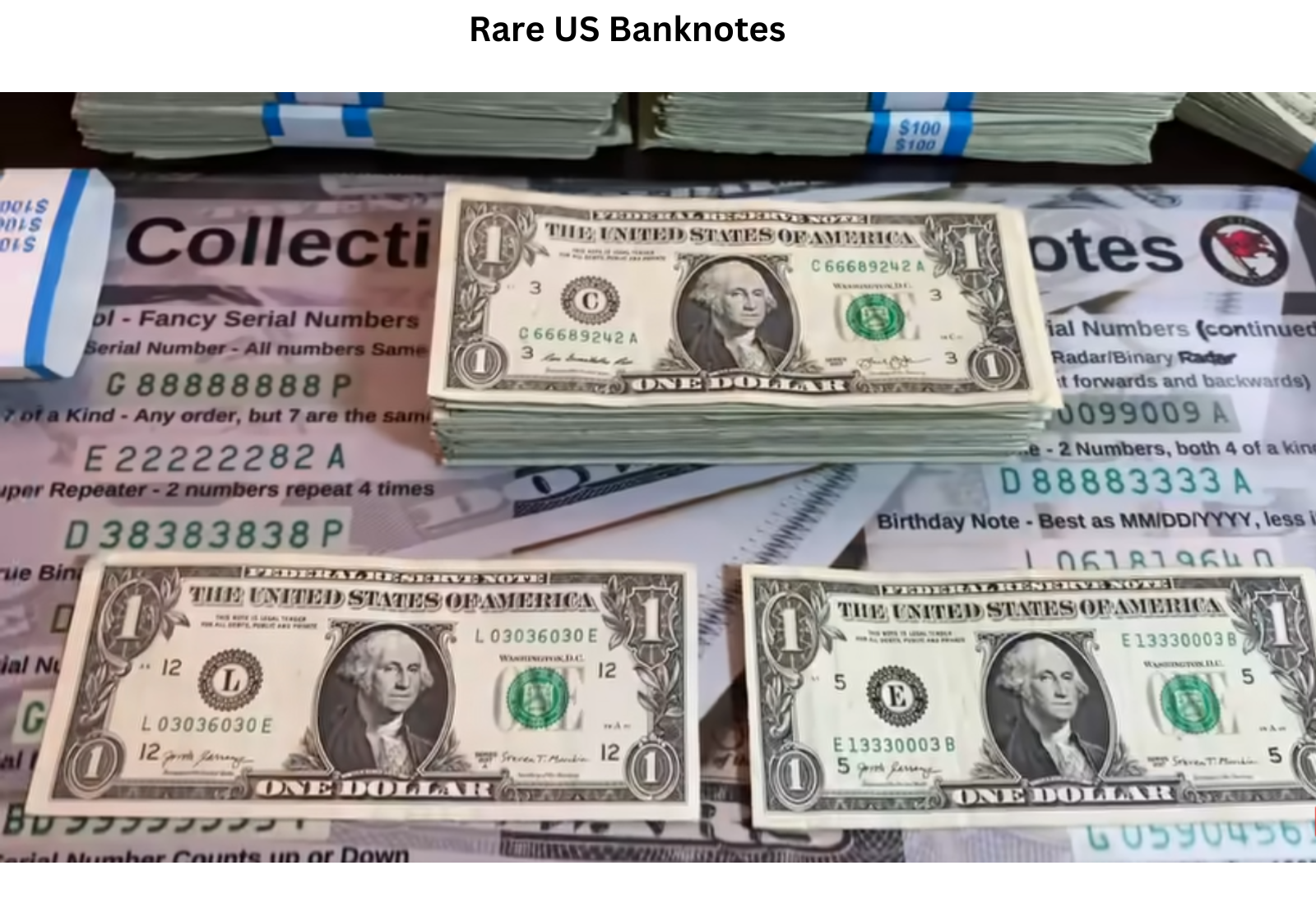
A star + fancy serial can triple or quadruple value.
5. Star Note Value Multipliers
Factors that increase value significantly:
➤ Low Print Run (<640,000)
Rare stars often come from tiny sheets.
➤ High Demand Denominations
$1, $5, $10, $20 are heavily collected.
➤ Uncirculated Condition
CU 66–67 star notes often sell for 5×–10× circulated value.
➤ Major Errors Combined With Stars
Star note + error = massive premium.
6. Recent Auction Highlights
-
1928B $1 Star: $22,000 in PMG 66
-
1934 $10 Star: $15,275 in PCGS 67
-
1935A “X-B” Star: $5,800 in PMG 66
-
1966 $100 Red Seal Star: $7,200 in PMG 65
-
Radar Star Notes: $3,000–$6,000 depending on pattern
7. How to Store & Protect Star Notes
-
Use Mylar currency sleeves
-
Avoid PVC plastics
-
Store in cool, low-humidity environments
-
Grade notes valued over $250
8. Should You Invest in Star Notes?
Yes — star notes are one of the fastest-appreciating areas of modern and classic U.S. paper money.
Best investment categories:
-
1928–1935 stars
-
Experimental block stars
-
Fancy serial star notes
-
High-grade WWII era stars
-
Low-population modern stars
9. Where to Buy Rare Star Notes
Insert your CTA:
✔ RareUSBanknotes.com — Trusted Since 2012
✔ Family business, expert collectors
✔ All star notes have been authenticated
✔ High-grade, rare, and investment-quality notes
✔ Safe shipping, secure payments
You can visit our special page: /star-notes-for-sale
10. FAQs (Optimized for Featured Snippets)
Q1: What is the rarest U.S. star note?
The 1928B $1 Silver Certificate Star is considered one of the rarest, often valued at $10,000–$20,000.
Q2: Are star notes always valuable?
Not all — but low-print runs, early dates, high grades, and fancy serials greatly increase value.
Q3: Are modern star notes worth saving?
Yes — especially low-run $1, $5, and $20 notes and star notes with fancy serial patterns.
Q4: How do I know if my star note is rare?
Check the print run, block letters, grade, and serial number pattern.
Q5: Do star notes increase in value?
Yes — rare star notes have consistently increased in demand and price for decades.