
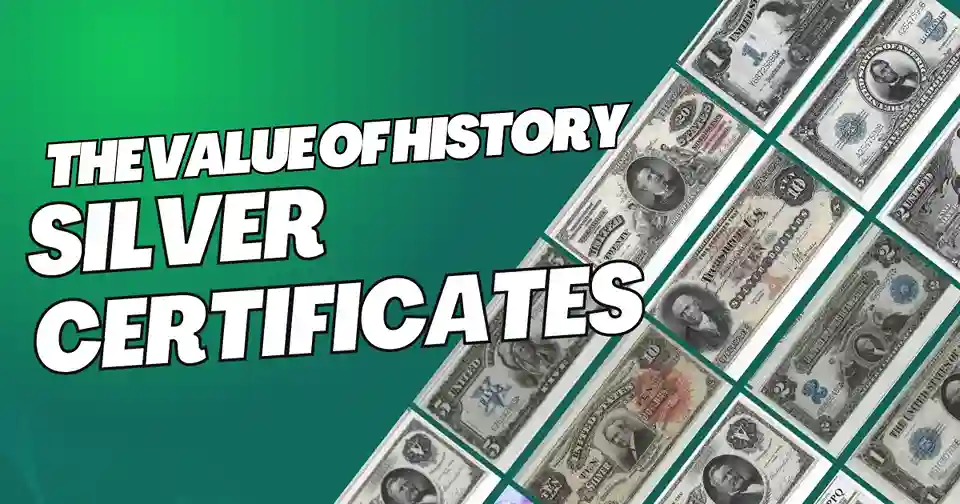
The History of U.S. Silver Certificates: From 1878 to 1964 (Complete Collector’s Guide)
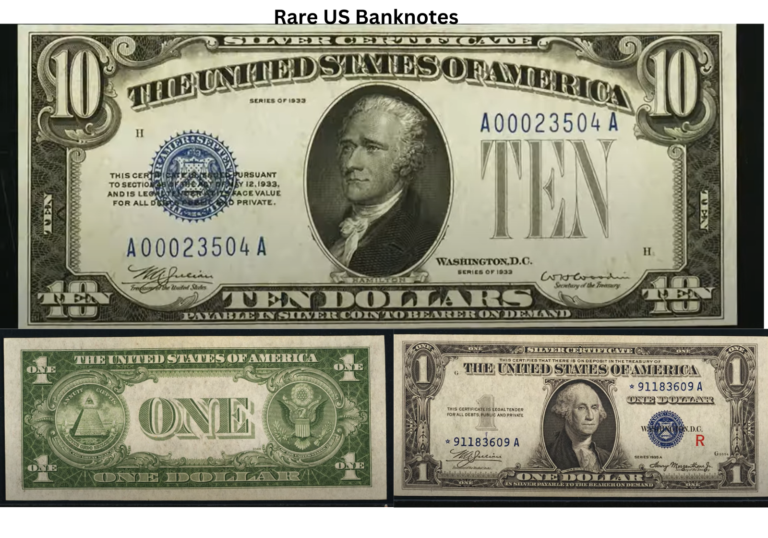
Silver Certificates are among the most popular and widely collected types of U.S. paper money. Issued from 1878 to 1964, they were originally backed by real silver held in the U.S. Treasury. Today, they are prized for their beauty, historical value, and affordability—making them ideal for new and advanced collectors alike.
This guide covers everything you need to know: history, design types, values, rarity, series differences, and tips for building a Silver Certificate collection.
What Is a Silver Certificate?
A Silver Certificate was a form of U.S. paper currency that could once be redeemed for silver dollars (later for silver bullion).
The notes stated:
“This certifies that there has been deposited in the Treasury of the United States X dollars in silver payable to the bearer on demand.”
Today, Silver Certificates are no longer redeemable for silver but remain legal tender at face value—though collectors value them much higher.
-
1899 $1 Silver Certificate – Large Size | Blue Seal | “Black Eagle”
Original price was: $616.55.$578.55Current price is: $578.55. -
1899 $2 Large Size Silver Certificate – Blue Seal | Uncirculated
Original price was: $1,501.$1,330Current price is: $1,330. -
1899 $2 Silver Certificate – “Mini Porthole” | PMG 25 | Bright & Attractive
Original price was: $712.50.$624.15Current price is: $624.15. -
1899 $2 Silver Certificate – Mini Porthole | Fr.256 | PCGS-Certified
Original price was: $503.50.$478.33Current price is: $478.33.


Brief Timeline of Silver Certificates
1878–1880 – First Issue
Large, ornate notes with beautiful vignettes and intricate borders.
1886–1891 – “Educational Era” and Classic Designs
Includes the famous 1896 Educational Series—some of the most iconic notes ever printed.
1891–1923 – Large-Size Blue Seals
Introduced the classic blue seal and standardized portraits.
1928–1964 – Small-Size Blue Seals
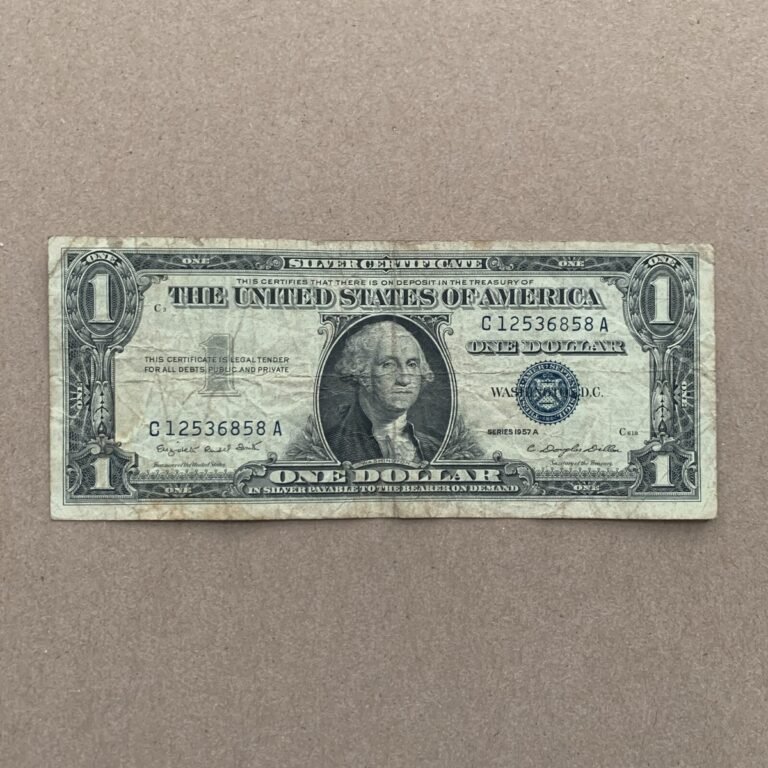
The most commonly collected modern series (e.g., 1935, 1957).
Types of Silver Certificates
1. Large Size Silver Certificates (1878–1923)
These notes are visually stunning and highly collectible.
Key examples include:
- 1878 $1 Silver Certificate – Martha Washington
- 1891 $1 Stanton Note
- 1896 $1 “History Instructing Youth” (Educational Series)
- 1896 $2 “Science Presenting Steam & Electricity.”
- 1899 $1 Black Eagle — the only note with two presidents (Lincoln & Grant)
Large-size notes bring strong premiums, especially in high grades.
2. Small Size Silver Certificates (1928–1964)
The versions collectors most often search for:
1928 Series
- Scarce
- Blue seal
- Early small-sized format
1934 Series
- Introduced design simplifications
- Rare star notes and mule varieties exist
1935 Series
The most iconic small-sized Silver Certificate. Key subtypes:
- 1935 A/B/C/D
- 1935 E/F/G
- 1935 “Wide” vs “Narrow.”
- Rare 1935A Experimental Notes (R & S)
1957 Series
- The most common
- Very affordable in circulated grades
- Star notes can still bring premiums
Which Silver Certificates Are the Most Valuable?
Large Size Highlights
- 1896 Educational Series — extremely valuable in high grade
- 1899 Black Eagle — premium in UNC
- 1886 “Martha Washington” — scarce and iconic
Small Size Highlights
- 1935A Experimental “R” and “S” notes
- 1934 Star Notes with low print numbers
- 1935 Mule Varieties
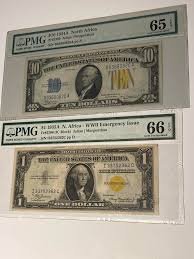
- High-grade 1935/1957 Gem Uncirculated (66–68) certified notes
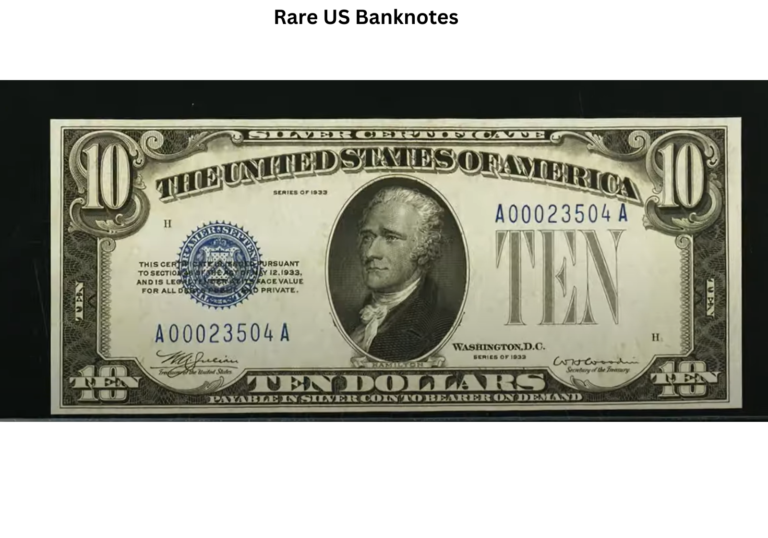
High-denomination Silver Certificates (like $10 or $50) can reach into the thousands in top condition.
How Much Are Silver Certificates Worth Today?
Values depend on:
- Series
- Star or regular issue
- Condition/grade
- Rarity of print runs
- Varieties (mules, experiments, blocks)
General ranges:
Common 1935 or 1957 notes:
- $2–$6 in circulated condition
- $30–$70 in Choice Uncirculated
- $100–$300+ for Gem (66–68)
Large size notes:
- $150–$400 for the most circulated examples
- $2,000–$10,000+ for high-grade Educational Series notes
Experimental notes:
- $150–$1,200 depending on grade and block
How to Identify Valuable Varieties
Look closely for:
- Mule signatures
- Special blocks
- Star notes
- Plate position differences
- Printing errors
- Experimental markings (“R” & “S”)
These differences dramatically affect value.
How to Store and Protect Silver Certificates
To maintain value:
- Use Mylar currency sleeves (not PVC!)
- Keep away from heat and sunlight
- Avoid humidity
- Store flat—not rolled
- Do not clean or flatten with heat
Certified notes from PMG/PCGS offer maximum safety.
Should You Collect Large Size or Small Size?
Large Size
✔ Stunning engravings
✔ Rarer
✔ More expensive
Small Size
✔ Affordable
✔ Great for beginners
✔ Easier to complete sets
Both categories offer strong long-term value.
-
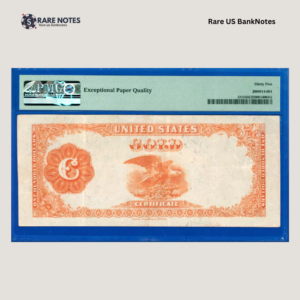
1882 $100 Gold Certificate – Fr. 1215 | PMG 35 EPQ | Rare “Benton” Note
Original price was: $4,275.$3,841.80Current price is: $3,841.80. -
1882 $100 Gold Certificate – Large Size | Very Fine Condition
Original price was: $854.05.$811.35Current price is: $811.35. -
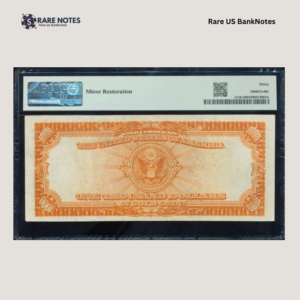
1907 $1000 Gold Certificate | Fr.1219e | PMG VF 30 | Rare High-Denomination
Original price was: $29,205.$24,750Current price is: $24,750. -
1922 $100 Gold Certificate FR.1215 (RARE Issue RARE Grade) PCGS AU-55
Original price was: $6,935.$6,269.05Current price is: $6,269.05.





Frequently Asked Questions
Are Silver Certificates still worth money?
Yes—they are legal tender but worth far more to collectors.
Can I still redeem them for silver?
No. Redemption stopped in 1968.
What’s the most valuable Silver Certificate?
The 1896 Educational $1 and $2 series is in high grade.
Are the 1935 and 1957 notes rare?
Not rare, but star notes and high grades can be valuable.
Key Takeaways To Keep Track Of
- Silver Certificates span nearly 90 years of U.S. history.
- Large-sized notes are highly collectible and artistic.
- Small-sized notes are affordable and perfect for new collectors.
- Key rarities include experimental issues, star notes, and mules.
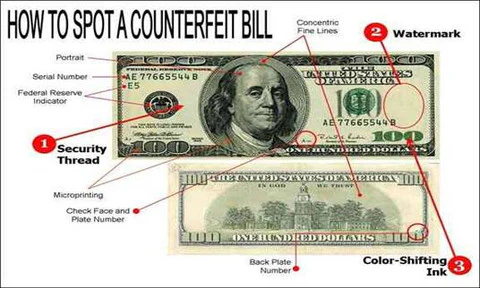
- Proper storage and authentication are essential.