
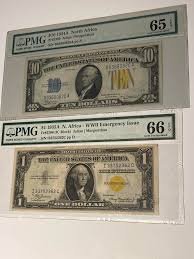
North Africa Emergency Issue Notes – Full Value Guide + How to Identify (Blue Seal Yellow Seal WWII Notes)
Quick Summary (Direct Answer Box Format)
North Africa Emergency Issue Notes are special yellow-seal U.S. banknotes issued during WWII (Series 1935A for $1 Silver Certificates and Series 1934 for $5 & $10 Federal Reserve Notes).
They were printed for U.S. troops in North Africa so that, if captured, the U.S. Treasury could instantly demonetize them.
Values range from $25–$350 in circulated condition and $150–$2,500+ in uncirculated, with star notes being significantly more valuable.
What Are North Africa Emergency Issue Notes?
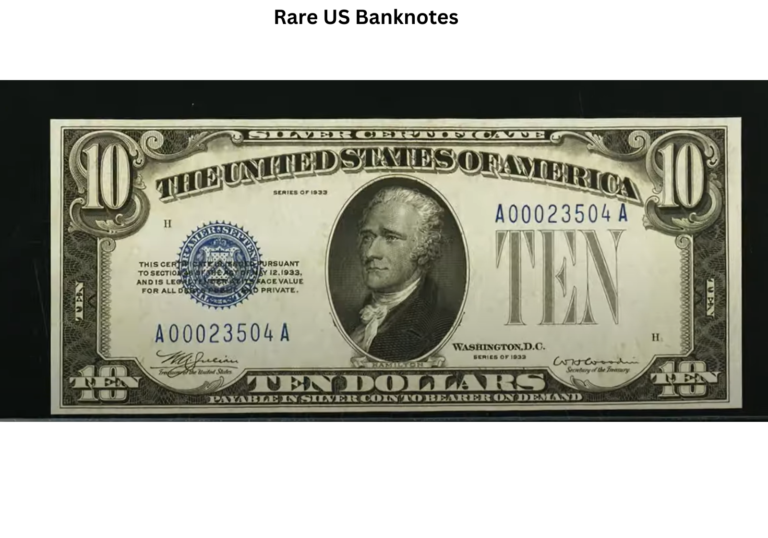
North Africa Emergency Notes are a unique category of WWII U.S. currency known for their distinct bright yellow Treasury seals and yellow serial numbers.
They were issued in:
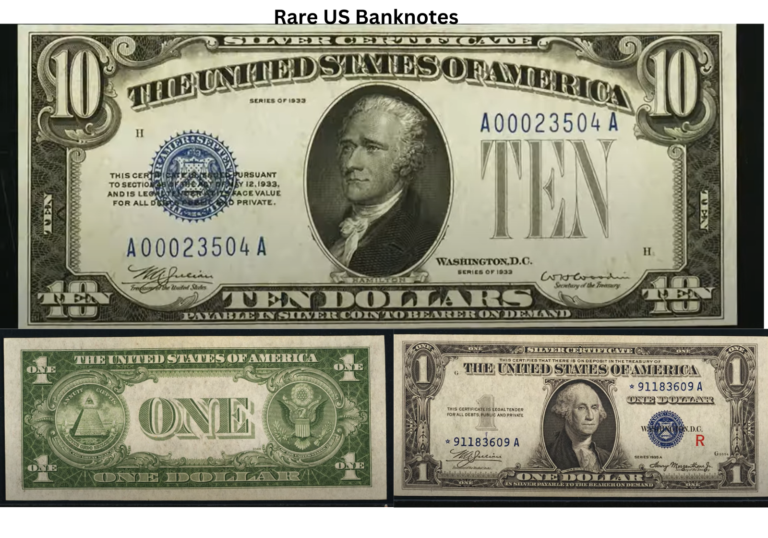
- $1 Silver Certificate (Series 1935A)
- $5 Federal Reserve Note (Series 1934)
- $10 Federal Reserve Note (Series 1934)
🎖️ Purpose of the Emergency Notes
The notes were created so that if U.S. forces were overrun, all captured currency could be instantly voided by the U.S. Treasury, making it worthless to the enemy.
This is why today, they are:
- Historically significant
- Highly collectible
- Scarcer than standard blue-seal or green-seal notes
-
1899 $1 Silver Certificate – Large Size | Blue Seal | “Black Eagle”
Original price was: $616.55.$578.55Current price is: $578.55. -
1899 $2 Large Size Silver Certificate – Blue Seal | Uncirculated
Original price was: $1,501.$1,330Current price is: $1,330. -
1899 $2 Silver Certificate – “Mini Porthole” | PMG 25 | Bright & Attractive
Original price was: $712.50.$624.15Current price is: $624.15. -
1899 $2 Silver Certificate – Mini Porthole | Fr.256 | PCGS-Certified
Original price was: $503.50.$478.33Current price is: $478.33.


How to Identify a North Africa Emergency Issue Note
Collectors often confuse 1935 or 1934 notes with regular blue-seal and green-seal notes.
Here are the features that prove you have a North Africa Note:
1. Yellow Treasury Seal
- Large, bright yellow seal
- Located on the right side of the note
- The easiest way to confirm authenticity
2. Yellow Serial Numbers
- Serial numbers that match the yellow seal
- Standard silver certificates = blue
- Standard Federal Reserve Notes = green
3. Wartime Series Only
- $1 – Series 1935A Silver Certificate
- $5 – Series 1934 Federal Reserve Note
- $10 – Series 1934 Federal Reserve Note
No other denominations were issued for North Africa.
4. Same Size as Modern Currency
These are not large-size notes — they are modern-size notes from WWII.
5. Optional: Star Replacement Notes
If the serial number starts or ends with a ★, it is a star note, which can multiply the value dramatically.
Why These Notes Were Issued (The Full Story)
In 1942, the U.S. military planned major operations across North Africa.
There was a serious risk:
- Troops might be captured
- Massive amounts of U.S. currency might fall into enemy hands
Germany and Italy could have used seized U.S. notes for sabotage, propaganda, or black-market purchasing.
💡 The Solution
Create currency that the U.S. Treasury could demonetize instantly.
If emergency orders were triggered:
- All yellow-seal notes would be declared worthless
- All other U.S. currency remained valid
This made yellow-seal notes the safest currency for wartime theaters.
North Africa Emergency Issue Notes – Full Value Guide
All values below assume problem-free notes with no rips, stains, or writing.
1. $1 North Africa Silver Certificate – Series 1935A (Yellow Seal)
This is the most common of the North Africa issues, but still scarcer than regular blue-seal 1935 notes.
Value Chart
| Condition | Regular | Star Note |
|---|---|---|
| VG–Fine | $25–$45 | $150–$250 |
| Very Fine | $45–$70 | $250–$450 |
| XF | $70–$110 | $450–$650 |
| AU | $110–$180 | $650–$900 |
| Uncirculated | $180–$300 | $1,000–$2,000+ |
| Gem CU 65+ | $350–$500 | $2,000–$3,500+ |
Notes
- Regular $1 notes are affordable entry-level wartime currency
- Star notes are extremely desirable and harder to find
2. $5 North Africa Federal Reserve Note – Series 1934 (Yellow Seal)
Scarcer than the $1 note. Higher denomination = lower survival rates.
Value Chart
| Condition | Regular | Star Note |
|---|---|---|
| VG–Fine | $75–$120 | $350–$700 |
| Very Fine | $120–$180 | $700–$1,000 |
| XF | $180–$260 | $1,000–$1,500 |
| AU | $260–$400 | $1,500–$2,000 |
| Uncirculated | $400–$700 | $2,000–$4,000 |
| Gem CU 65+ | $800–$1,200 | $4,000–$7,500+ |
Notes
- Scarcer than the $1 yellow seal
- Often found heavily worn due to military use
3. $10 North Africa Federal Reserve Note – Series 1934 (Yellow Seal)
The rarest standard denomination among all North Africa issues.
Value Chart
| Condition | Regular | Star Note |
|---|---|---|
| VG–Fine | $120–$200 | $500–$1,000 |
| Very Fine | $200–$300 | $1,000–$1,700 |
| XF | $300–$450 | $1,700–$2,500 |
| AU | $450–$700 | $2,500–$3,500 |
| Uncirculated | $700–$1,400 | $3,500–$7,000 |
| Gem CU 65+ | $1,500–$2,500+ | $7,000–$12,000+ |
Notes
- One of the most desirable WWII small-sized notes
- High-grade examples are truly scarce
How Much Rarer Are North Africa Notes Compared to Regular Notes?
Approximate survival estimates:
| Note | Regular Blue/Green Seal | North Africa Issue |
|---|---|---|
| $1 | 200+ million | ~15 million |
| $5 | 83 million | ~2 million |
| $10 | 26 million | ~1 million (best estimate) |
⭐ These notes were printed for war, used in war, and destroyed after war — their survival is dramatically lower.
How to Tell if Your North Africa Note Is Valuable
Check these factors:
1. Condition (most important)
Crisp Uncirculated (CU) values can be 10× higher than circulated.
2. Star Note Status
Star notes are the best of the best:
- Lower print runs
- Higher collector demand
- Always premium value
3. Fancy Serial Numbers
Examples:
- Low serial (00000025)
- Binary (00011000)
- Ladder (12345678)
- Radar (12344321)
These bring multipliers on top of regular pricing.
4. Graded Notes
PMG and PCGS graded notes sell for 30–200% more, depending on grade.
Common Counterfeits & How to Detect Them
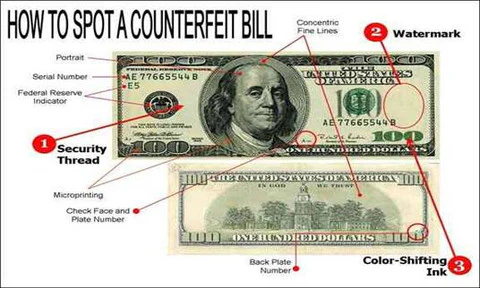
Counterfeiters often try to bleach a regular note and reprint a yellow seal.
Check for:
- Wrong shade of yellow
- Paper that feels “too soft.”
- Serial numbers misaligned
- Seal not matching the correct size or position
- No blue fibers in the paper under magnification
A professional grading service is recommended for suspected high-value notes.
Are North Africa Emergency Notes Still Legal Tender?
Yes — all North Africa emergency notes are still legal tender for face value.
…but never spend them!
Their collector value is 30× to 1,000× face value.
Where to Sell North Africa Notes
- rareusbanknotes.com
- eBay (the largest marketplace)
- Heritage Auctions (for high-grade or star notes)
- PMG/PCGS-certified dealers
- Collectors groups on Facebook & Reddit
-
1899 $1 Silver Certificate – Large Size | Blue Seal | “Black Eagle”
Original price was: $616.55.$578.55Current price is: $578.55. -
1899 $2 Large Size Silver Certificate – Blue Seal | Uncirculated
Original price was: $1,501.$1,330Current price is: $1,330. -
1899 $2 Silver Certificate – “Mini Porthole” | PMG 25 | Bright & Attractive
Original price was: $712.50.$624.15Current price is: $624.15. -
1899 $2 Silver Certificate – Mini Porthole | Fr.256 | PCGS-Certified
Original price was: $503.50.$478.33Current price is: $478.33.
FAQs
Why do North Africa notes have a yellow seal?
To allow the Treasury to invalidate them if they were captured by enemy forces.
Are North Africa notes rare?
Yes — especially the $5, $10, and all-star notes.
How much is a $1 North Africa note worth?
$25–$300+, depending on condition, more for stars.
Should I get my yellow-seal notes graded?
If it is AU, Uncirculated, or a star note, grading is recommended.