
Most Valuable Small-Size U.S. Notes (1928–Today): Full Collector’s Value Guide
Summary (Direct Answer)
The most valuable small-size U.S. banknotes (1928–today) include rare star notes, low-print FRNs, early red seal legal tender notes, and major error notes. Top examples include the 1933 $10 Silver Certificate, 1934 $5 Hawaii Emergency Note, 1966 $100 Red Seal, and rare serial number varieties that sell from $500 to over $30,000 depending on grade and rarity.
Quick Facts Table (Structured for Snippets)
| Category | Examples | Typical Value Range |
|---|---|---|
| Rarest Star Notes | 1928B $1 SC, 1934 $10 SC | $1,000–$15,000+ |
| Red Seal Legal Tender (1928–1966) | $2, $5, $100 | $40–$12,000 |
| Emergency Notes | 1934 A–C Hawaii Notes | $150–$12,000 |
| Low Serial Numbers | 00000001–00000100 | $1,500–$30,000 |
| Major Error Notes | Fold errors, inverted seals | $200–$25,000 |
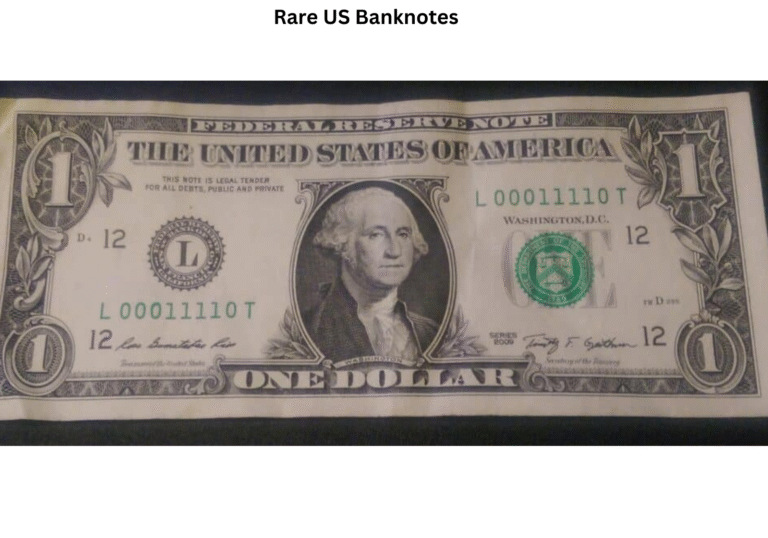
| Fancy Serial Numbers | Solids, ladders, radars | $100–$7,500+ |
| High-Denomination FRNs | $500, $1000 | $1,600–$10,000+ |
Introduction to Small-sized banknotes
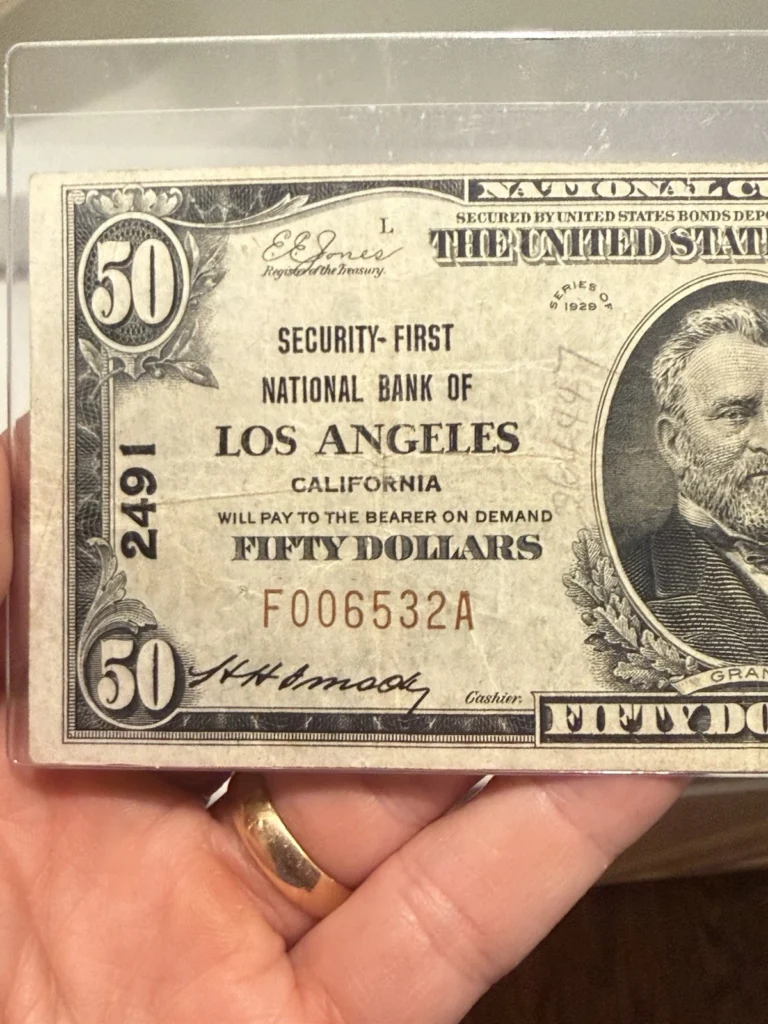
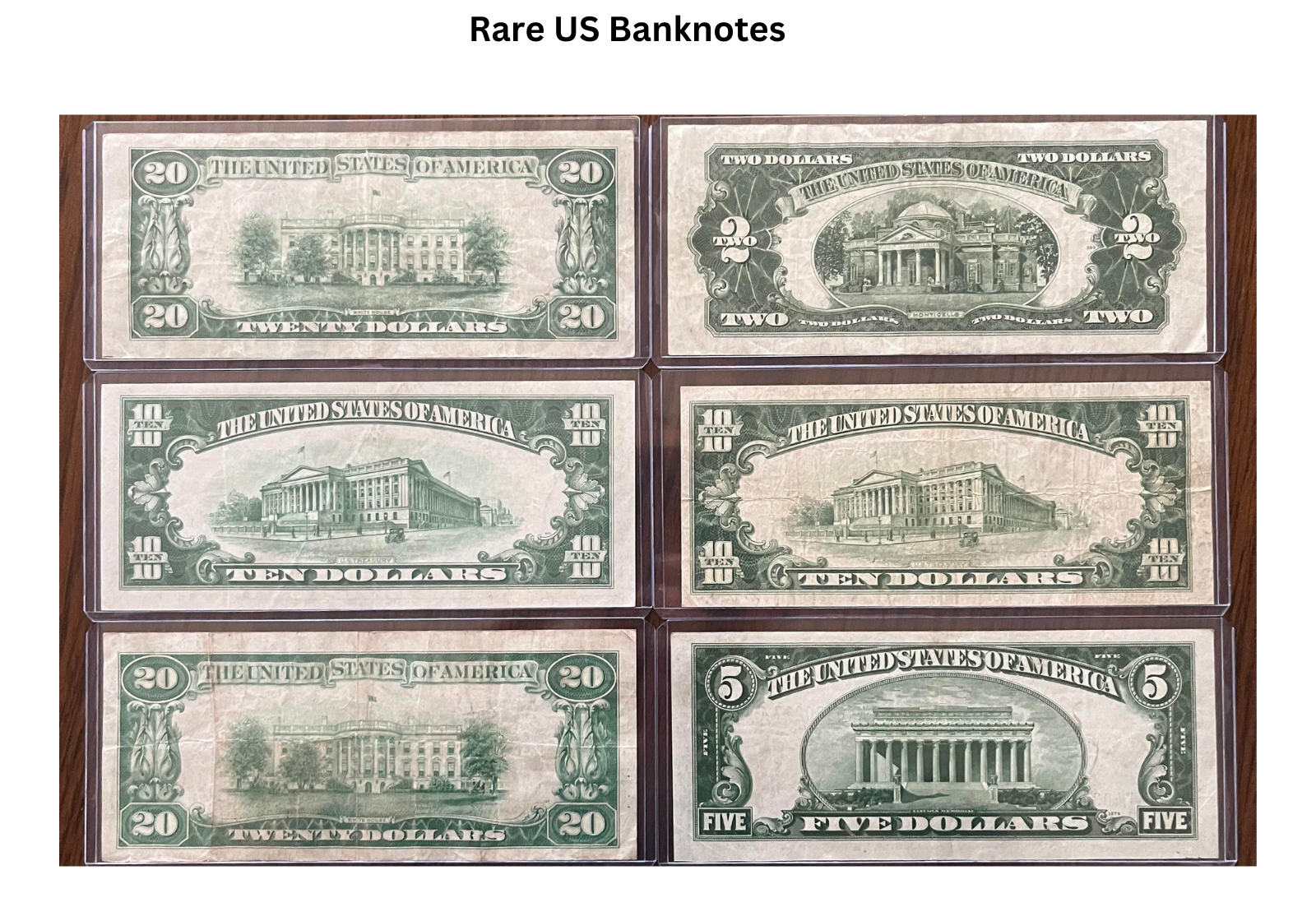
Small-size U.S. banknotes — printed from 1928 to the present day — are one of the most collected areas in notaphily. Although many of these notes are common, certain series, star notes, varieties, fancy serial numbers, and error notes are exceptionally valuable and often outperform coins in the collector market.
This guide highlights the most valuable small notes, explains why they’re rare, and helps collectors know what to look for when buying or selling.
1. What Makes a Small-Size Banknote Valuable?
1. Rarity (Low Print Runs)
Certain series — especially early 1928 issues and unusual star notes — had extremely low print runs, making them scarce today.
2. Collectibility
Certain series like Hawaii and North Africa emergency notes attract military collectors, notaphilists, and history enthusiasts simultaneously.
3. Condition (Grade)
High-grade examples (PMG/PCGS35–67) drastically outperform circulated notes.
4. Serial Number
Solids, radars, repeaters, and low serial numbers command huge premiums.
5. Errors
Small-size U.S. notes are famous for dramatic printing errors — some selling for tens of thousands.
2. The Most Valuable Small-Size Notes (1928–Today)
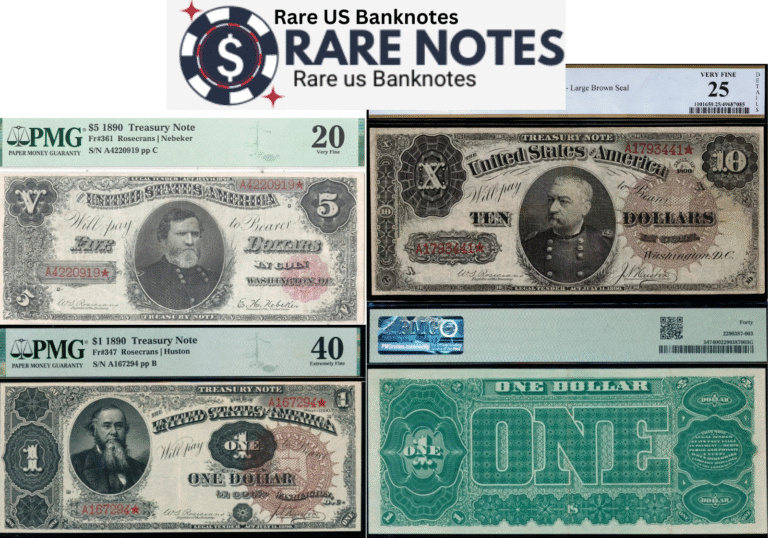
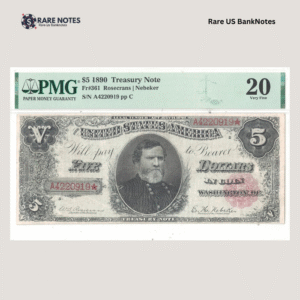
1882 $100 Gold Certificate – Fr. 1215 | PMG 35 EPQ | Rare “Benton” Note
🔹 Year: 1882
🔹 Denomination: $100 Gold Certificate
🔹 Tag phrase: 1882 $100 Gold Certificate – Fr. 1215 | PMG 35 EPQ
🔹 Friedberg Number: Fr. 1215
🔹 Condition: PMG Very Fine 35 EPQ
🔹 Seal & Serial Color: Gold Seal, Bright Orange-Gold Reverse
🔹 Type: Large-Size U.S. Paper Money
🔹 Portrait: Thomas Hart Benton
🔹 Reverse Design: Ornate Golden Treasury Seal & Detailed Border
2.1. 1928 Series Red Seal Legal Tender Notes
These were the first small-size legal tender notes ever printed. Many are very scarce today.
Key Examples
Value Range
Why They’re Valuable
Low print runs and extremely low survival rates in high grades.
2.2. Rare Star Notes (All Denominations)
Star notes replace misprinted sheets, and early stars were printed in tiny quantities.
Top Small-Size Star Notes
-
1928B $1 Silver Certificate Star
-
1934 $10 Silver Certificate Star
-
1934C $5 Silver Certificate Star
-
1935A $1 Experimental X-B Block Star
Value Range
$500 – $15,000+ depending on series and condition.
Why They’re Valuable
Some star notes had fewer than 5,000 printed, making them ultra-rare.
2.3. Emergency Issues: Hawaii & North Africa Notes
During WWII, special notes were made for the Pacific and European theaters.
Top Examples
-
1934 A–C $1, $5, $10, $20 Hawaii Notes
-
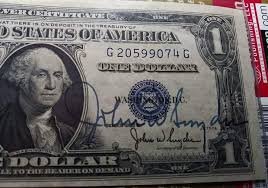
1935A $1 North Africa Silver Certificate
Value Range
-
Hawaii Notes: $150–$12,000+
-
North Africa: $75–$7,500+
Why They’re Valuable
Historical significance, collector demand, and scarcity in high grade.
2.4. Fancy Serial Number Notes
These are extremely popular with investors and collectors.
Most Valuable Types
-
Solids (e.g., 77777777)
-
Ladders (12345678)
-
True Radars (12344321)
-
Repeaters (ABABABAB)
-
Low Serial Numbers (00000001–00000100)
Value Range
$100 – $30,000+ (for pristine solids or #00000001)
2.5. High-Denomination Notes ($500 & $1000 FRNs)
Though printed after 1928, these small-size notes are extremely collectible.
Value Range
-
$500 Bills: $1,500–$6,000
-
$1000 Bills: $2,000–$10,000
Why They’re Valuable
They were discontinued in 1969, and most were destroyed.
2.6. Error Notes (Some Worth $25,000+)
Small-size banknotes often display dramatic errors such as:
-
Inverted seals
-
Fold-over misprints
-
Cutting errors
-
Overprint misalignments
-
Missing print layers
Value Range
$200 – $25,000+ depending on severity.
Most Valuable Error Categories
-
Major fold-over + inverted seal
-
Triple overprint errors
-
Double denomination errors
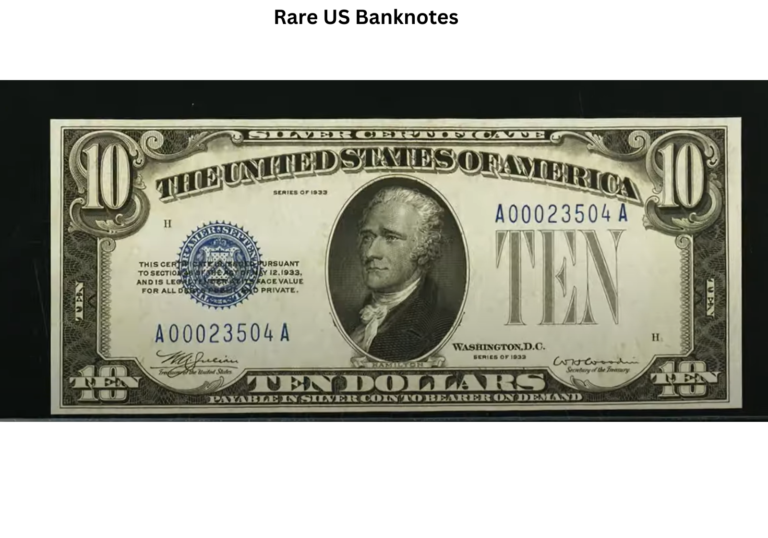
2.7. The Rare 1933 $10 Silver Certificate
One of the rarest small-size notes ever printed.
Value Range
$5,000 – $30,000+
Why It’s Valuable
Extremely limited printing + high destruction rate.
3. Auction Records for Small-Size Notes
Here are some recent highlights:
-
1933 $10 SC: Over $25,000 in Gem Uncirculated
-
1934 Hawaii $20: Up to $12,000+
-
Solid 1’s $20 FRN: Often exceeds $7,500
-
Major error inverted overprint: $10,000–$25,000+
4. How to Authenticate & Grade Small-Size Notes (Beginner Guide)
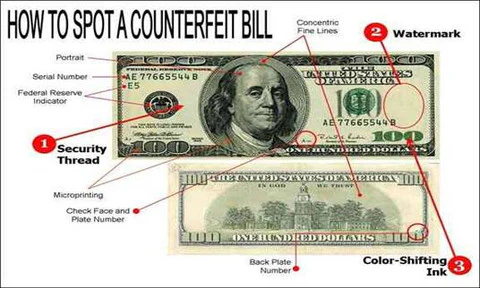
1. Check Paper Quality
Small-sized notes remain crisp and show unique fibers under magnification.
2. Examine the Serial Numbers
Avoid altered or added digits.
3. Inspect Seals & Overprints
Misaligned seals can indicate value — or counterfeiting.
4. Use PMG or PCGS
Certified grading boosts value by 50–400%.
5. How to Store & Protect Valuable Notes
-
Use Mylar currency sleeves (archival-safe)
-
Avoid PVC plastic
-
Keep notes flat and away from humidity
-
Consider professional grading for notes worth over $200
6. Should You Invest in Small-Size Notes?
Absolutely — especially in:
-
Low serial numbers
-
Fancy serial patterns
-
WWII emergency notes
-
Star notes
-
High-grade early 1928 issues
-
Dramatic error notes
These categories continually rise in demand and price.
7. Where to Buy Authentic Rare Small-Size Notes
✔ RareUSBanknotes.com – Family-owned since 2012
✔ All notes authenticated
✔ New grading system coming soon
✔ Wide selection of U.S. small-size notes
✔ Safe shipping. Trusted by collectors.
8. FAQs ( Frequently Asked Questions )
Q1: What is the most valuable small-sized U.S. note?
The 1933 $10 Silver Certificate is one of the rarest and most valuable, often selling between $10,000–$30,000 in high grade.
Q2: Are 1928 red seals rare?
Yes. Early 1928 $2, $5, and especially $100 red seals are highly scarce and valuable.
Q3: What makes a star note valuable?
Low print runs, early series, high-grade condition, and unusual block letters.
Q4: Can modern notes be valuable?
Yes — fancy serial numbers, star notes, and error notes from the 2000s can sell for thousands.
Q5: Are Hawaii notes a good investment?
Yes. They have strong military and historical demand and increase steadily in value.