
How to Authenticate Old U.S. Banknotes: Spotting Fakes, Reprints & Alterations (Beginner’s Guide).
How to Authenticate Old U.S. Banknotes: Spotting Fakes, Reprints & Alterations (Beginner’s Guide)
The market for old U.S. banknotes has grown dramatically, and so has the number of counterfeits, replicas, altered notes, and reprints. Whether you’re collecting for investment or buying your first note, learning how to authenticate banknotes is essential.
This guide walks you step-by-step through the authentication process—using methods collectors, dealers, and grading companies rely on every day.
What Makes a Banknote Authentic?
An authentic U.S. banknote must have:
- The correct paper and fiber texture
- Proper ink formula and printing method
- Correct serial numbers and plate positions
- Accurate design elements for its series
- No forced alterations or added features
Counterfeits often fail in one or more of these areas.
-
1899 $1 Silver Certificate – Large Size | Blue Seal | “Black Eagle”
Original price was: $616.55.$578.55Current price is: $578.55. -
1899 $2 Large Size Silver Certificate – Blue Seal | Uncirculated
Original price was: $1,501.$1,330Current price is: $1,330. -
1899 $2 Silver Certificate – “Mini Porthole” | PMG 25 | Bright & Attractive
Original price was: $712.50.$624.15Current price is: $624.15. -
1899 $2 Silver Certificate – Mini Porthole | Fr.256 | PCGS-Certified
Original price was: $503.50.$478.33Current price is: $478.33.


Types of Fake or Problematic Notes You Need to Know
Understanding the categories of fakes helps you identify danger signs quickly.
1. Full Counterfeit Notes
The entire note is fake—paper, ink, serials, everything.
2. Altered Notes
Genuine note + fake modification
Examples:
- A $10 turned into a $100
- Fake star added
- Changed signatures
- Replaced seals
3. Raised Notes
Low denomination altered to appear higher.
4. Reprints
Made from original plates but printed years later (common with old, obsolete notes).
5. Facsimile Notes
Reproductions sold as souvenirs.
6. “Fantasy” Notes
Never existed historically—completely made up.
How to Authenticate Old U.S. Banknotes (Step-by-Step)
Step 1 — Check the Paper Quality
Old U.S. paper was made from a special blend of cotton and linen, not wood pulp.
Authentic paper feels:
- Crisp
- Fibrous
- Durable
Fake paper often feels: - Slick
- Glossy
- Too thin or too thick
- Too smooth (from modern printers)
Look for tiny blue and red fibers embedded in the paper—handmade into the pulp, not printed.
Step 2 — Examine the Printing Method
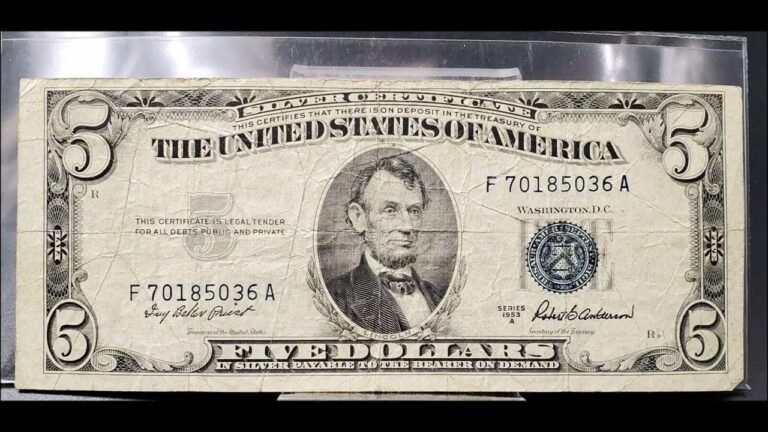
Original U.S. notes used intaglio printing, which leaves:
- Raised ink you can feel with your fingers
- Sharp, engraved lines
- Depth in the portraits and seals
Fake notes often show:
- Flat printing
- Blurred detail
- Pixelation from digital printers
Rub your fingernail lightly across the portrait—authentic intaglio has texture.
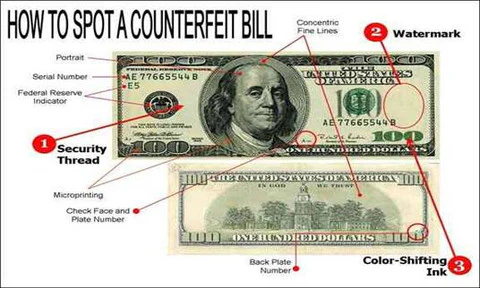
Step 3 — Inspect Serial Numbers and Seals
Authentic serial numbers:
- Are precisely aligned
- Have consistent spacing
- Match the district and series
Red flags include:
- Mismatched formats
- Wrong style for the date
- Wrong color ink
- Serial numbers that sit too high or too low
Fake Star Notes
Some counterfeiters add a fake star to boost value.
Check:
- Spacing
- Shape
- Ink density
- Correct star placement for that series
Step 4 — Check Plate Numbers & Positions
Look for:
- Face plate number
- Back plate number
- Check position letter & quadrant
If any element doesn’t match what is known for that series, it may be altered.
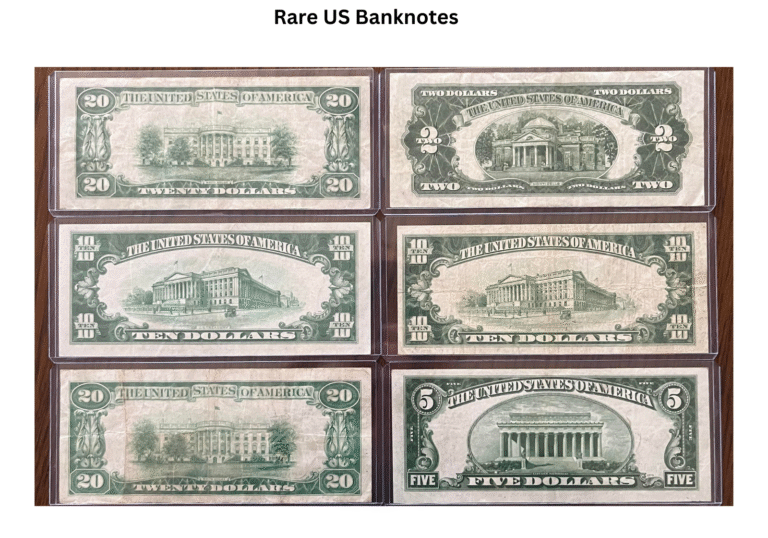
Step 5 — Compare to Known Designs
Use verified references like:
- PMG’s Note Registry images
- Heritage Auctions archives
- Your own store’s certified inventory
Authenticity becomes obvious when compared to real examples.
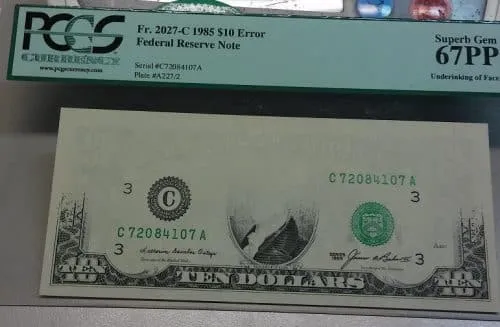
Step 6 — Look for Signs of Alteration
Common alterations:
- Trimmed borders to remove damage
- Stapled repairs
- “Washed” notes to look whiter
- Press notes to appear crisp
- Chemical treatment to remove stains
These reduce both authenticity and value.
Special Warning: High-Denomination Notes
Counterfeiters target:
- $500
- $1000
- $5000
- $10,000
Because demand is high and profit is huge.
When buying high-denomination notes, always:
- Purchase from trusted dealers
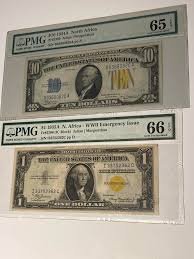
- Prefer graded notes (PMG/PCGS)
- Check population reports
- Avoid raw notes from unknown sellers
Tools Every Collector Should Own for Authentication
- 10x–15x loupe
- Bright white LED lamp
- UV flashlight
- Soft cotton gloves
- Ruler (for correct dimensions)
- Reference books (e.g., Don C. Kelly U.S. Currency Buyers Guide)
How to Use UV Light to Detect Fakes
Most old U.S. banknotes should not glow under UV.
If you shine a UV light and see:
- Bright green glow
- Bright blue glow
…it’s likely modern paper.
Exceptions:
- Modern notes after 1996 do use security fibers.
But older notes (Silver Certificates, Gold Certificates, Legal Tenders, early FRNs) should remain mostly dark.
-
1899 $1 Silver Certificate – Large Size | Blue Seal | “Black Eagle”
Original price was: $616.55.$578.55Current price is: $578.55. -
1899 $2 Large Size Silver Certificate – Blue Seal | Uncirculated
Original price was: $1,501.$1,330Current price is: $1,330. -
1899 $2 Silver Certificate – “Mini Porthole” | PMG 25 | Bright & Attractive
Original price was: $712.50.$624.15Current price is: $624.15. -
1899 $2 Silver Certificate – Mini Porthole | Fr.256 | PCGS-Certified
Original price was: $503.50.$478.33Current price is: $478.33.
When You Should Seek Professional Grading
If the note is:
- Worth $300+
- A high-denomination note
- A rare Large-Size note
- Showing signs of possible tampering
- Purchased from an unknown seller
…consider submitting to PMG or PCGS.
RareUSBanknotes.com can help customers choose which notes should be graded.
Should You Buy Raw or Certified Notes?
Buy Certified When:
- You’re looking at high-value notes
- The note has rare varieties
- You want maximum resale value
Buy Raw When:
- The seller is trusted
- The note is common or low-cost
- You enjoy authenticating yourself
Key Takeaways
- Check the paper quality, printing, serial numbers, plates, and signs of alteration.
- Compare every note to verified examples.
- Utilize tools such as UV light and magnification to reveal hidden details.
- Buy from trusted dealers and prioritize certified notes for expensive items.
- Authenticity protects your investment and preserves value.