
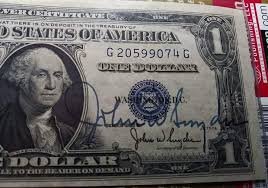
Hawaii Brown Seal WWII Emergency Notes – Full Rarity & Value Guide
Quick Summary (Direct Answer Format)
Hawaii Emergency Notes are special brown-seal U.S. banknotes issued in 1942 during WWII (Series 1935A for $1 Silver Certificates and Series 1934 for $5, $10, and $20 Federal Reserve Notes).
They feature the word “HAWAII” overprinted on the front and back.
If Japan had conquered Hawaii, the U.S. could have instantly demonetized all Hawaii notes, rendering captured currency worthless.
Values range from $25–$200 in circulated condition and $150–$2,500+ in uncirculated, with star notes being significantly rarer and more valuable.
What Are Hawaii Brown Seal Emergency Notes?
Hawaii Emergency Notes were created during WWII after the attack on Pearl Harbor.
The U.S. government feared that if Japan invaded or captured Hawaii, millions of U.S. dollars would fall into enemy hands.
Solution:
Issue currency with:
- A brown Treasury seal,
- Brown serial numbers, and
- A bold “HAWAII” overprint on the front and back.
These markings allowed the U.S. Treasury to instantly cancel their value if the islands were lost to Japan.
These notes circulated only in the Hawaiian Islands between 1942–1944.
How to Identify a Hawaii Emergency WWII Note
Collectors sometimes confuse them with brown-seal Legal Tender Notes — but Hawaii notes are unmistakable.
1. Brown Treasury Seal
Located on the right side of the note.
Unique to Hawaii emergency issues.
2. Brown Serial Numbers
Matching the seal.
3. Large “HAWAII” Overprint
Printed:
- On the left side of the front, and
- Covering the entire back of the note
4. Wartime Series Only
Issued only as:
- $1 Silver Certificate – Series 1935A
- $5 Federal Reserve Note – Series 1934
- $10 Federal Reserve Note – Series 1934
- $20 Federal Reserve Note – Series 1934 (scarce)
5. Brown Seal Only
No blue or green seals exist for Hawaii emergency notes — brown is mandatory.
Why Hawaii Notes Were Issued: The Full History
Immediately after Pearl Harbor (Dec 7, 1941), military leadership feared:
- A second attack
- Full occupation of the Hawaiian Islands
Pearl Harbor was the main U.S. naval base in the Pacific.
If Hawaii fell, enemy forces could obtain massive amounts of U.S. currency for intelligence, sabotage, or black-market trade.
⭐ The Emergency Currency Plan
In January 1942, the U.S. introduced:
- Specially marked notes
- Restricted for use only in Hawaii
- Redeemable elsewhere only after a strict exchange process
⭐ Emergency Powers
If Japan captured Hawaii:
- All Hawaii brown-seal notes would become worthless immediately
- Non-Hawaii U.S. currency would remain valid
This made Hawaii note the safest wartime currency for the Pacific theater.
Hawaii Emergency Notes – Full Value Guide (All Denominations)
Below is a complete pricing breakdown for each type.
Values assume no tears, stains, or damage.
$1 Hawaii Emergency Silver Certificate – Series 1935A
Most common Hawaii note, but still far scarcer than standard $1 silver certificates.
Value Chart
| Condition | Regular | Star Note |
|---|---|---|
| VG–Fine | $25–$40 | $125–$250 |
| Very Fine | $40–$60 | $250–$400 |
| XF | $60–$90 | $400–$600 |
| AU | $90–$140 | $600–$900 |
| Uncirculated | $140–$220 | $900–$1,500 |
| Gem CU 65+ | $250–$400 | $1,500–$2,500+ |
Notes:
- Easiest denomination to find
- Star notes are significantly scarcer
$5 Hawaii Emergency Federal Reserve Note – Series 1934
Scarcer than the $1 and much more popular among collectors.
Value Chart
| Condition | Regular | Star Note |
|---|---|---|
| VG–Fine | $75–$125 | $350–$700 |
| Very Fine | $125–$170 | $700–$1,100 |
| XF | $170–$250 | $1,100–$1,600 |
| AU | $250–$380 | $1,600–$2,300 |
| Uncirculated | $380–$650 | $2,300–$4,000 |
| Gem CU 65+ | $700–$1,000 | $4,000–$7,000+ |
Notes:
- Often found worn because of heavy wartime circulation
- High-grade survivors are rare
$10 Hawaii Emergency Federal Reserve Note – Series 1934
One of the rarest standard WWII emergency notes, especially in high grade.
Value Chart
| Condition | Regular | Star Note |
|---|---|---|
| VG–Fine | $125–$180 | $500–$1,000 |
| Very Fine | $180–$250 | $1,000–$1,500 |
| XF | $250–$375 | $1,500–$2,500 |
| AU | $375–$600 | $2,500–$3,500 |
| Uncirculated | $600–$1,200 | $3,500–$7,000 |
| Gem CU 65+ | $1,200–$1,800+ | $7,000–$12,000+ |
Notes:
- Scarce in any grade
- High-grade stars are extremely rare
$20 Hawaii Emergency Federal Reserve Note – Series 1934
The rarest denomination was issued for Hawaii emergency use.
Value Chart
| Condition | Regular | Star Note |
|---|---|---|
| VG–Fine | $200–$300 | $600–$1,200 |
| Very Fine | $300–$450 | $1,200–$1,800 |
| XF | $450–$700 | $1,800–$2,800 |
| AU | $700–$1,000 | $2,800–$4,000 |
| Uncirculated | $1,000–$2,000 | $4,000–$9,000 |
| Gem CU 65+ | $2,000–$3,500+ | $9,000–$15,000+ |
Notes:
- Difficult to find in any grade
- One of the most desirable small-sized WWII notes
-
1882 $100 Gold Certificate – Fr. 1215 | PMG 35 EPQ | Rare “Benton” Note
Original price was: $4,275.$3,841.80Current price is: $3,841.80. -
1882 $100 Gold Certificate – Large Size | Very Fine Condition
Original price was: $854.05.$811.35Current price is: $811.35. -
1907 $5 Legal Tender Woodchopper Note | Fr. 91 | Large Size Red Seal
Original price was: $217.80.$196.02Current price is: $196.02. -
1922 $100 Gold Certificate FR.1215 (RARE Issue RARE Grade) PCGS AU-55
Original price was: $6,935.$6,269.05Current price is: $6,269.05.





Which Hawaii Notes Are the Rarest?
By scarcity:
- $20 Hawaii (regular)
- $20 Hawaii Star
- $10 Hawaii Star
- $5 Hawaii Star
- $10 Hawaii regular
- $5 Hawaii regular
- $1 Hawaii Star
- $1 Hawaii regular
By condition scarcity:
- CU 65+ “Superb Gem” stars are almost unheard of
- Even the circulated $20 Hawaii notes are scarce
- Many surviving notes were heavily worn on wartime islands
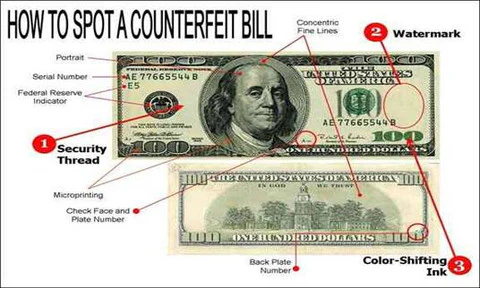
How to Detect a Fake Hawaii Note
Counterfeits usually come in two forms:
1. Fake overprints on normal notes
Watch for:
- Ink that looks too fresh
- Overprint not aligned correctly
- Poorly printed “HAWAII” text
2. Chemical alterations
Some scammers bleach the note and reprint the Hawaii markings.
Check for:
- Paper that feels weak or soft
- Misaligned serial numbers
- Brown seal color that looks “painted on.”
- Missing paper fibers under magnification
Grading (PMG/PCGS) is the safest way to verify authenticity for valuable notes.
Should You Get Hawaii Notes Graded?
Yes — especially for:
- AU/Uncirculated notes
- Star notes
- $10 or $20 denominations
- Fancy serial numbers
High grades bring major premiums.
Where Were the Hawaii Notes Used?
- Issued only within the Hawaiian Islands
- All residents had to exchange old money for Hawaii notes
- Soldiers, businesses, and civilians used them daily
- Redeemed after 1944, once the invasion threat ended
Are Hawaii Notes Still Legal Tender?
Yes — for face value.
But collectors pay 20× to 800× face value, so never spend them.
Where to Sell Hawaii Emergency Notes
- rareusbanknotes.com
- eBay (strong demand internationally)
- PMG or PCGS dealers
- Facebook currency groups
- Heritage Auctions (for high-end pieces)
-
1899 $1 Silver Certificate – Large Size | Blue Seal | “Black Eagle”
Original price was: $616.55.$578.55Current price is: $578.55. -
1899 $2 Large Size Silver Certificate – Blue Seal | Uncirculated
Original price was: $1,501.$1,330Current price is: $1,330. -
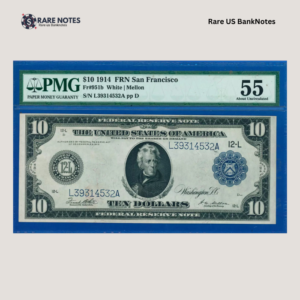
1914 $10 Federal Reserve Note – San Francisco | Fr. 951b | PMG AU 55
Original price was: $569.05.$341.99Current price is: $341.99. -
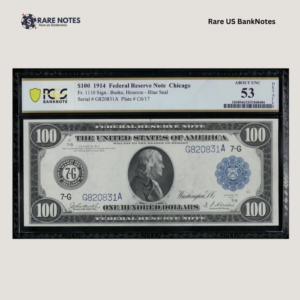
1914 $100 Federal Reserve Note – Chicago | Fr. 1110 | PCGS 53
Original price was: $3,799.05.$2,858.55Current price is: $2,858.55.


FAQs
Why do Hawaii notes say “Hawaii” on the back?
To identify them as emergency currency that could be demonetized if captured.
Are Hawaii notes rare?
Yes. Especially $20s and all-star notes.
How much is a $1 Hawaii note worth today?
$25–$200+ depending on condition; stars bring much more.
Can you still find Hawaii notes in circulation?
No — they were withdrawn 80 years ago.