
💵 $10 Silver Certificate Value Guide (1878–1953) — How Much Is Yours Worth?
$10 Silver Certificates are some of the most fascinating and collectible banknotes ever issued by the United States. Printed between 1878 and 1953, these notes came in both large-size and small-size formats, featuring iconic designs such as the Martha Washington, the Tombstone Note, and the 1923 Large Size Blue Seal.
Depending on the series and condition, your $10 Silver Certificate could be worth $20 — or over $50,000.
This guide breaks down everything collectors look for, including series, seal colors, star notes, varieties, errors, and condition.
-
1899 $1 Silver Certificate – Large Size | Blue Seal | “Black Eagle”
Original price was: $616.55.$578.55Current price is: $578.55. -
1899 $2 Large Size Silver Certificate – Blue Seal | Uncirculated
Original price was: $1,501.$1,330Current price is: $1,330. -
1899 $2 Silver Certificate – “Mini Porthole” | PMG 25 | Bright & Attractive
Original price was: $712.50.$624.15Current price is: $624.15. -
1899 $2 Silver Certificate – Mini Porthole | Fr.256 | PCGS-Certified
Original price was: $503.50.$478.33Current price is: $478.33.


Quick Answer: What Is a $10 Silver Certificate Worth?
Most small-size $10 Silver Certificates (1934–1953) are worth $20–$60 in circulated grades.
Large-size $10 Silver Certificates (1878–1923) are worth hundreds to tens of thousands, depending on rarity and grade.
Here’s a fast value reference:
| Series | Type | Typical Value | Rare High-End Value |
|---|---|---|---|
| 1878, 1880 | Large Size | $500–$5,000 | $20,000+ |
| 1886 | Large Size | $800–$6,000 | $25,000+ |
| 1891 | Tombstone Note | $400–$3,500 | $15,000+ |
| 1901 | Bison Note | $350–$2,500 | $10,000+ |
| 1923 | Last Large Size | $150–$1,200 | $7,000+ |
| 1934 | Small Size | $20–$60 | $150+ (stars) |
| 1953 & 1953A | Small Size | $20–$50 | $100+ (stars) |
The rest of this guide explains each series in detail so you can properly identify your note.
What is a $10 Silver Certificate?
$10 Silver Certificates were once redeemable for $10 worth of silver, making them one of the most historically interesting types of U.S. currency.
They fall into two major categories:
1. Large Size Silver Certificates (1878–1923)
- Oversized notes
- Elaborate designs
- Rare and highly collectible
- Often worth thousands
2. Small Size Silver Certificates (1934–1953)
- Blue seal
- Same dimensions as modern U.S. bills
- Affordable and common in lower grades
- Stars and high-grade notes have premiums
Let’s break down each era.
Large Size $10 Silver Certificates (1878–1923)
These are the most valuable and historically important issues.
🟦 1878 & 1880 $10 Silver Certificates (“Martha Washington Note”)
These feature the portrait of Martha Washington, the only woman on U.S. paper money (excluding allegorical figures).
⭐ Value:
- Circulated: $500–$3,500
- High Grade: $5,000–$20,000
- Rare Signatures / Varieties: $25,000–$50,000+
🟦 1886 $10 Silver Certificate (“Tombstone Note”)
Features Hendrick B. Wright in an oval frame resembling a tombstone — hence the nickname.
⭐ Value:
- Circulated: $800–$4,000
- Choice Uncirculated: $7,000+
- Rare Varieties: $25,000+
One of the most iconic and desired large-size U.S. notes.
🟦 1891 $10 Silver Certificate
A redesigned version of the Tombstone Note with minor stylistic changes.
⭐ Value:
- Circulated: $400–$3,500
- High Grade: $10,000–$15,000+
🟦 1901 $10 Silver Certificate (“Bison Note”)
A favorite among newer collectors.
⭐ Value:
- Circulated: $350–$2,500
- Uncirculated: $5,000–$10,000+
Iconic, beautifully engraved, and always in demand.
🟦 1923 $10 Silver Certificate — The Last Large-Size Issue
The final year before the U.S. switched to small-size notes.
⭐ Value:
- Circulated: $150–$1,200
- High Grade: $3,500–$7,000+
These are surprisingly scarce compared to $1 and $5 notes of the same year.
Small Size $10 Silver Certificates (1934–1953)
Much more common, but still popular with collectors.
1934 $10 Silver Certificate Value
The first small-size $10 Silver Certificate.
⭐ Value:
- Circulated: $20–$40
- Uncirculated: $60–$120
- Star Notes: $100–$250+
- High-Grade Stars: $300+
1934A, 1934B, 1934C Series Values
These are very similar in appearance and value.
⭐ Value:
- Circulated: $20–$35
- Uncirculated: $50–$100
- Star Notes: $80–$220
These are great starter pieces for new collectors.
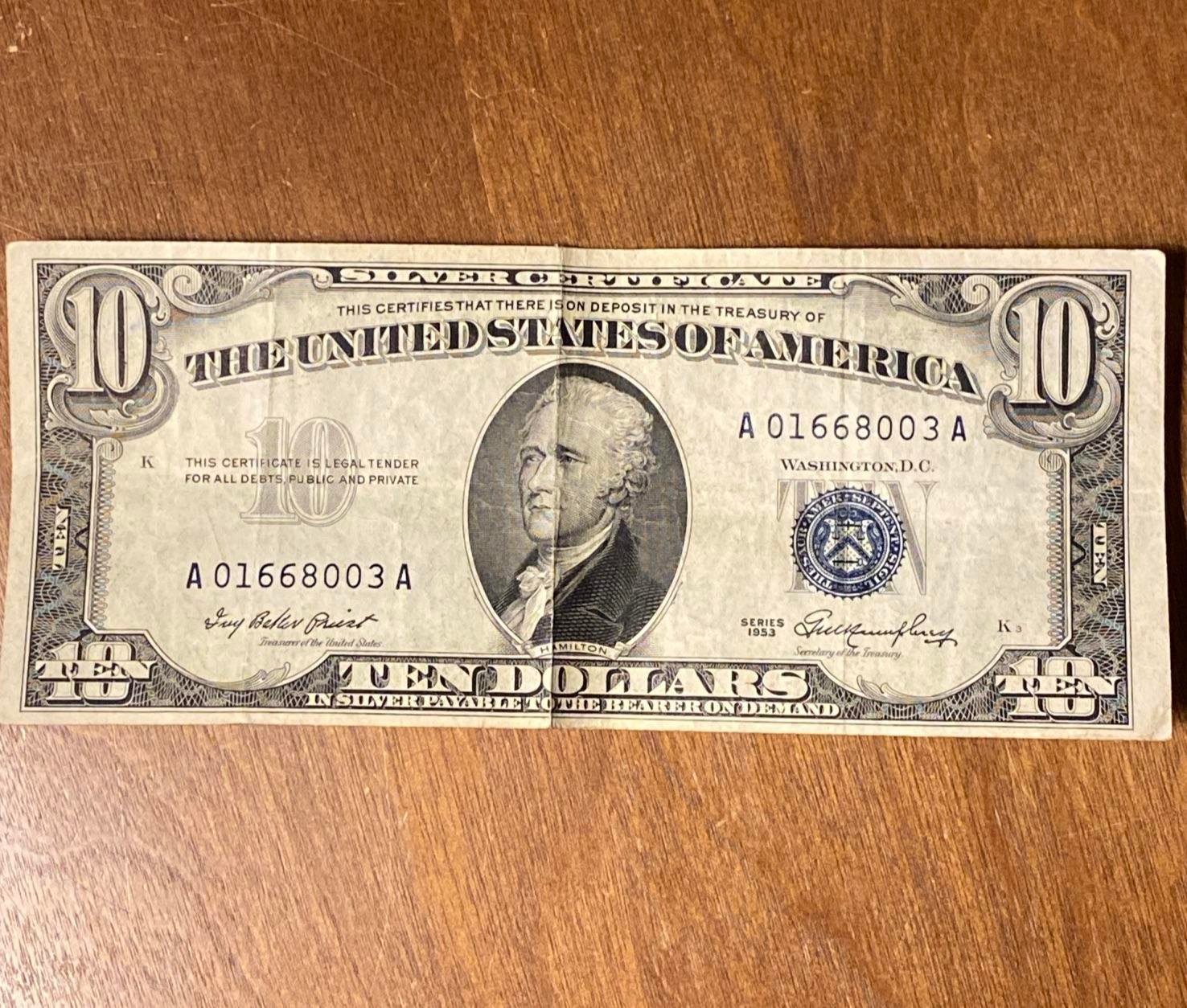
1953 & 1953A $10 Silver Certificate Value
The final years of $10 Silver Certificates before silver redemption ended.
⭐ Value:
- Circulated: $20–$50
- Uncirculated: $40–$85
- Star Notes: $100–$250
These are some of the most affordable small-sized $10 silver notes.
Star Notes — The Biggest Premiums
Star notes indicate a replacement note, which is automatically more collectible.
🔍 How to Identify
Look for a ★ at the end of the serial number.
⭐ Value Range:
- Small-size stars: $80–$300
- Large-size stars: $1,500–$25,000+
- High-grade stars: can exceed $30,000
Large-size star notes are extremely rare.
How to Identify If Your $10 Silver Certificate Is Rare
Check the following traits:
✔ Series Year
Anything pre-1923 could be worth thousands.
✔ Condition
Crisp Uncirculated notes bring the biggest premiums.
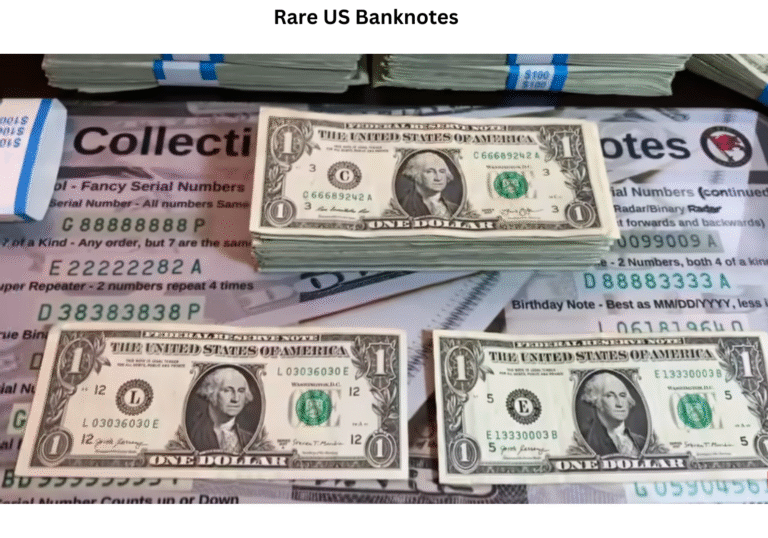
✔ Serial Numbers
Low numbers, radars, ladders, repeaters, etc., increase value.
✔ Star Notes
Star = higher value.
✔ Block / Plate Variants
Some blocks are significantly scarcer.
Rare Varieties & Errors
Some of the rarest include:
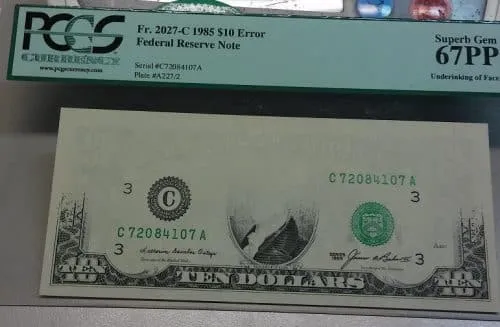
- Misaligned seals
- Overprints
- Inverted serial numbers
- Double denomination errors
Values range from $100 to $10,000+, depending on rarity and severity.
Should You Grade Your $10 Silver Certificate?
Definitely grade the note if:
- It’s large-size
- It’s Uncirculated
- It’s a star note
- It’s worth over $300
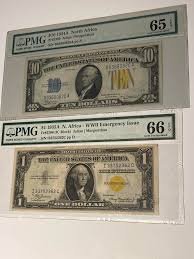
PMG and PCGS certifications can significantly increase the sale price.
Where to Sell a $10 Silver Certificate
Recommended platforms:
- rareusbanknotes.com
- eBay (Auctions perform well)
- Heritage Auctions (for high-end notes)
- Stack’s Bowers
- Collector forums
- Facebook numismatic groups
High-value notes should always be sold through a major auction house.
Frequently Asked Questions
Are $10 Silver Certificates rare?
Large-size versions are very rare; small-size versions are common.
Can I redeem them for silver?
No — silver redemption ended in 1968.
Are they still legal tender?
Yes, but they should not be spent due to collector value.
What is the most valuable $10 Silver Certificate?
High-grade 1880, 1886, and 1896 varieties can exceed $50,000.
Do star notes add value?
Yes — especially for large-size issues, which can be worth tens of thousands more.
-
1899 $1 Silver Certificate – Large Size | Blue Seal | “Black Eagle”
Original price was: $616.55.$578.55Current price is: $578.55. -
1899 $2 Large Size Silver Certificate – Blue Seal | Uncirculated
Original price was: $1,501.$1,330Current price is: $1,330. -
1899 $2 Silver Certificate – “Mini Porthole” | PMG 25 | Bright & Attractive
Original price was: $712.50.$624.15Current price is: $624.15. -
1899 $2 Silver Certificate – Mini Porthole | Fr.256 | PCGS-Certified
Original price was: $503.50.$478.33Current price is: $478.33.
Conclusion
$10 Silver Certificates offer an incredible range of collectible opportunities — from affordable small-size blue seal notes to extremely rare 19th-century masterpieces worth five figures. Identifying your note’s series, rarity markers, grade, and star designation is key to determining its true value.